As the United States braces for a second Trump presidency, now with a majority conservative Congress, Senate, and Supreme Court, the harrowing implications of Project 2025 loom over the United States, particularly for women, LGBTQ+, and trans communities. Spearheaded by the Heritage Foundation and supported by over 100 conservative organizations, this sweeping conservative agenda seeks to overhaul federal governance within the first 180 days of a new administration, targeting nearly every aspect of progressive policy – and its devastating focus on trans rights is particularly dire, with a chilling effect on their rights, healthcare, and safety, underscoring a broader assault on human dignity and existence.
What is Project 2025?
Project 2025, also known as the 2025 Presidential Transition Project, is a conservative policy blueprint that outlines a comprehensive strategy to reshape the federal government and U.S. society based on conservative Christian principles. Developed by the Heritage Foundation, a prominent right-wing think tank, the project proposes sweeping reforms across social policies and civil rights, including gender and LGBTQ+ rights, reproductive healthcare, education, race, free speech.
While former President Donald Trump has not explicitly endorsed Project 2025 and has disavowed its association with his campaign, the Heritage Foundation has already had significant influence on conservative policies, including during Trump’s first term, and many individuals tied to Trump’s administration and campaign have contributed to or supported the project.
The proposal’s wide-reaching components includes a fundamental restructuring of federal agencies, first reclassifying tens of thousands of civil servants as political appointees, allowing the president to replace them with loyalists. Not only would this erode democracy and pave the way for one-party rule, but further plans to abolish the Department of Education and dismantle agencies like the Department of Homeland Security and NOAA indicate a fundamental disregard and dismembering of our most core societal institutions.
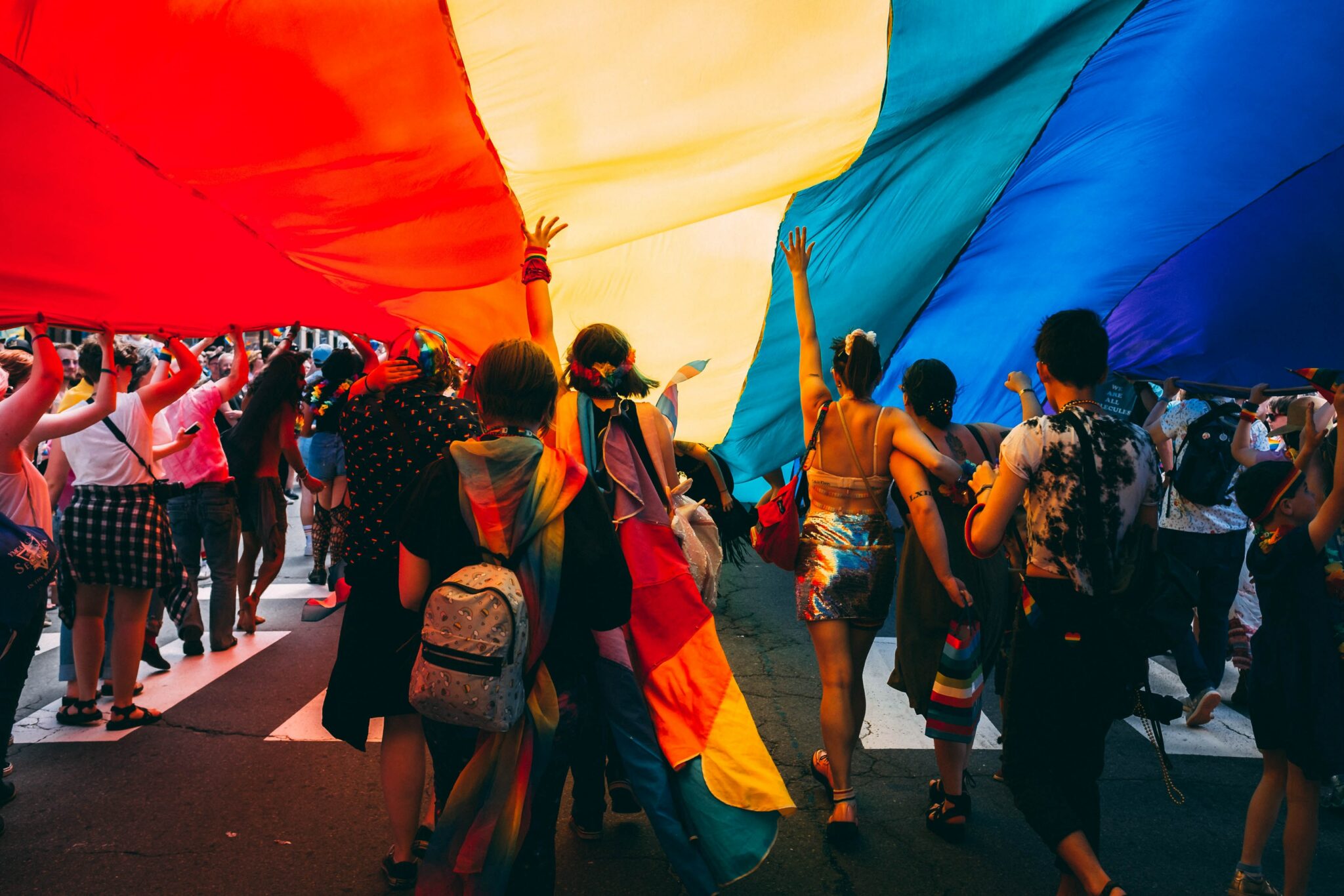
Social Policies, Civil Rights, and Free Speech
Beyond these federal agencies, Project 2025 seeks a return to what they perceive as foundational “American values” aka: Christian values, which civil rights organizations and legal experts largely agree is an authoritarian shift that undermines civil liberties and protections for marginalized communities, while eroding the separation between church and state.
These policies include a rollback of LGBTQ+ rights, including eliminating anti-discrimination protections based on gender identity in education and healthcare and the removal of LGBTQ+ inclusive language from federal documents and policies. It also proposes Fahrenheit 451-esque policies for free speech, tightening restrictions on gender and sexuality related educational content in public schools and libraries, including banning certain educational materials. These limits on free speech reach far beyond public institutions and into the most private corners of our bedrooms, introducing restrictions on online content, including pornography, under the guise of promoting “family values”.
Our fundamental rights to live freely, make our own choices, and have a fulfilling life are further impacted by the dismantling of our healthcare system, transforming the Department of Health and Human Services into the “Department of Life”, emphasizing a “biblical” view of family structures. It proposes significant tax cuts that propose reductions to programs like Medicare and Medicaid, restricting access to abortion by defunding Planned Parenthood and limiting reproductive health services, and eliminating federal funding for gender-affirming care for both minors and adults. It also calls for “the elimination of federal funding for entities that promote diversity, equity, or inclusion” more broadly, and seeks to define sex and gender as “biological sex as determined at birth,” denying the existence of transgender and nonbinary people entirely and blocks access to gender-affirming care.
With stigmatizing and discriminatory language that frames trans and LGBTQ+ rights as harmful and equates these communities with indoctrinating ideologies and obscenity, there are very valid fears that anti-trans and LGBTQ+ policies would continue to spread far beyond the removal of federal funding, as we’ve already seen with widespread anti-trans bathroom law proposals, with at least 11 states barring transgender girls and women from women’s bathrooms in public schools, and some in government facilities and on government owned land, including on Capitol Hill itself. Overall, these policy proposals reflect a sweeping agenda to reshape public health, education, and social equity to align with far-right conservative values that further rob marginalized communities of essential rights and equities.

The Stakes: Erasure of LGBTQ+ and Trans Rights and Existence
Project 2025 proposes a significant rollback of federal protections for LGBTQ+ people, and particularly targets trans people and trans women. First, it proposes the removal of all references to gender identity and sexual orientation from federal rules, contracts, and legislation, which would redefine sex discrimination under a strictly binary framework, excluding transgender people from legal protections under Title IX and Title VII, which gives legal recourse to fight discrimination in schools, workplaces, and healthcare settings.
Transgender people, trans kids, and even cisgender teachers are already facing fear of legal repercussions, as Project 2025 “equates being transgender to pornography and declares that it should be outlawed”. The policy document labels trans-affirming media as “pornography”, spanning everything from educational resources to TV shows that feature trans people and stories, and further, explicitly states that anyone who produces and distributes said content “should be imprisoned”, including social media and media production companies, and that educators and librarians who provide access to transgender-related materials “should be classified as sex offenders”. These measures criminalize being or simply talking about being trans, attempting to effectively erase LGBTQ+ visibility entirely from public spaces, including the internet.
Further measures aim attacks at adoption by LGBTQ+ parents, who could be subject to arrest, imprisonment, and sex-offender registration for “exposing children to pornography” by simple being gay or trans. More widely, Project 2025 says that children should be “raised by their biological fathers and mothers who conceive them,” unless those biological parents are found unfit by a court – opposing all “nonreligious definitions of marriage and family” aside from a “biblically based” definition, specifically stating the need for “the love and nurturing of a mother and the play and protection of a father” – a horrifying push of ultra-conservative gender roles that strips both LGBTQ+ parents and various blended and non-nuclear family configurations of their right and ability to parent.

Healthcare Access Under Siege
Project 2025 explicitly targets gender-affirming healthcare by advocating for the cessation of federal funding for treatments like hormone replacement therapy (HRT) and puberty blockers, both for minors and adults. These treatments are essential for many transgender individuals’ mental and physical health, and beyond that, abrupt discontinuation of HRT can lead to severe health issues, including increased risk of osteoporosis and heightened mental health struggles. The plan also proposes funding research to highlight the “negative effects” of these medical interventions, a move critics say pathologizes trans identities.
Planned Parenthood, a major provider of gender-affirming care, is another target: defunding would exacerbate barriers to accessing care, particularly for low-income individuals, potentially forcing some to seek unsafe alternatives. Many fear they will be forced to resort to underground channels to obtain essential medications, risking criminalization for possessing what could be classified as “illegal drugs”.
Advocates like Chase Strangio from the ACLU note that gender-affirming care is essential to trans well-being and survival. Project 2025 explicitly targets gender-affirming care, advocating for the elimination of federal funding for gender-affirming care for both minors and adults, framing gender-affirming treatments as harmful, equating “transgender ideology” with obscenity and recommending legislative and regulatory measures to restrict care. These measures include revising nondiscrimination policies to exclude protections based on gender identity and allowing healthcare providers to refuse to offer gender-affirming treatments due to personal objections. This denial of access will have long-standing impacts on physical and mental health, including life-threatening conditions like osteoporosis caused by halting hormone therapy abruptly.
This federal initiative is occurring alongside a wave of anti-trans legislation at the state level, targeting access to gender-affirming healthcare and policing public spaces like restrooms. These measures are a clear, coordinated strategy to marginalize transgender individuals across all facets of society, reinforcing stigma and endangering their safety. For trans youth, the stakes are equally high if not higher. Policies banning care for minors send a chilling message: no trans kids means no future for trans people. Studies consistently show that affirming care drastically reduces suicide rates, yet Project 2025 and similar proposals seek to eliminate these lifelines.
The Broader Cultural Impact
The plan extends beyond healthcare, proposing policies that marginalize LGBTQ+ families and identities in education and public life. For example, it suggests removing LGBTQ+ representation from curricula and restricting adoption rights for same-sex couples. These measures aim to promote a narrow vision of family and gender roles that excludes many Americans, fostering an environment of systemic discrimination.
Trans individuals and their allies are already reporting increased harassment in public spaces due to policies that restrict restroom use based on biological sex at birth. Despite claims that such laws protect public safety, studies consistently refute these assertions. Research reveals no evidence of harm caused by allowing trans individuals to use facilities aligned with their gender, and demonstrably show that instead, it has led to an increase in harassment of both
Trans individuals and their allies are already reporting increased harassment in public spaces, including bathrooms. Despite unfounded claims of safety concerns, data consistently shows that trans women and cisgender women face heightened risks of harassment and assault due to invasive bathroom policing. More in-depth information about Project 2025’s policies and their impact can be found at the National Women’s Law Center which provides a very detailed breakdown, Giving Compass, and The 19th.
In a country where even legal safe havens may falter under federal bans, what can be done? Advocacy groups like the ACLU and TransLash offer guidance for allies and resources for trans people navigating these threats. From lobbying for state-level protections to creating networks for medication access, the fight is not over.
A Call to Action: Advocating for Trans Rights
The fight against Project 2025 is beyond protecting trans rights. It’s a broader struggle for the preservation of human dignity and equality. While the challenges are daunting, history has shown that collective resistance can overcome even the most oppressive regimes. By standing in solidarity with the trans community, we can ensure that progress is not erased and that the rights of future generations are preserved.
Here are actionable ways to support trans rights:
- Educate and Advocate: Learn about the specific policies under Project 2025 and share this information with others. Understanding the stakes is the first step in mobilizing resistance.
- Support Trans Resources: Donate to organizations that provide legal aid, healthcare, and safe housing for trans individuals. Groups like the Transgender Legal Defense & Education Fund (TLDEF) and Lambda Legal are critical in this fight.
- Push for State-Level Protections: While federal policies threaten nationwide regressions, progressive states can still enact measures to safeguard trans rights. Advocate for local policies that offer sanctuary protections.
- Challenge Stigma: Combat harmful narratives about trans people by sharing stories of their resilience and humanity. Engage in conversations that normalize and validate trans experiences.
- Vote: Engage in the democratic process to elect leaders who will uphold LGBTQ+ rights and values of inclusion.
Key Organizations Supporting Trans Rights
- Transgender Legal Defense & Education Fund (TLDEF): TLDEF offers legal aid and policy advocacy to ensure trans individuals have equal protections under the law. They focus on dismantling systemic discrimination and fighting for healthcare access, employment equity, and identity document reforms. Visit TLDEF’s website to support their work.
- Transgender Law Center: Based in the United States, this organization uses legal advocacy and community empowerment to advance rights for trans and gender-nonconforming people. They focus on immigration, healthcare, and the decriminalization of trans existence. Learn more or donate at Transgender Law Center.
- Lambda Legal: Lambda Legal provides legal representation in key cases affecting LGBTQ+ and HIV-affected communities, including the fight against discriminatory healthcare policies. Their resources and lawsuits have been pivotal in defending LGBTQ+ rights. Visit Lambda Legal.
- Point of Pride: This U.S.-based nonprofit assists trans individuals by funding gender-affirming surgeries and providing essential items like binders and shapewear to those in need. Their work supports trans people in achieving better mental health and safety. Learn more at Point of Pride.
- Trans Lifeline: A hotline and microgrant program providing immediate support and resources to trans individuals in the U.S. and Canada. They focus on harm reduction and peer-led assistance, including funding for name changes. Explore their services at Trans Lifeline.
- World Professional Association for Transgender Health (WPATH): This global organization provides guidance on best practices for trans healthcare, advocating for policies that ensure access to care. WPATH also offers training for healthcare providers to improve inclusivity. Visit WPATH.
- GATE (Global Action for Trans Equality): This international organization advocates for policy changes and human rights advancements for trans and gender-diverse people globally. They focus on healthcare and anti-discrimination measures. Learn more at GATE.
Grassroots Advocacy Opportunities
- Sylvia Rivera Law Project (SRLP): This organization works to ensure that all people, regardless of income or identity, can access justice and affirm their gender. SRLP specializes in advocating for trans individuals facing incarceration, homelessness, or systemic oppression. Learn more at SRLP.
- Black Trans Advocacy Coalition (BTAC): Focused on the unique challenges faced by Black trans individuals, BTAC provides resources like health programs, financial assistance, and peer-led support networks. More at BTAC.
How to Get Involved
- Educate and Share: Amplify stories and accurate information about the policies threatening trans rights, such as Project 2025. Knowledge-sharing is a key step toward mobilizing broader resistance.
- Volunteer: Many organizations need volunteers to help with outreach, legal support, and advocacy.
- Donate: Financial contributions to organizations like TLDEF or Trans Lifeline help sustain vital services.
- Engage Politically: Advocate for state and local protections by attending town halls, contacting lawmakers, and supporting progressive candidates committed to LGBTQ+ equality.